

Comprehensive Guide to Structural Foundation Repair
Updated: Mar 4
Foundations are the base of any home. When they weaken or crack, the entire structure can suffer. I want to share practical advice on how to identify foundation problems and what steps to take for repair. This guide focuses on common issues faced by homeowners in Calgary, especially those with basements or crawl spaces.
Signs of Foundation Problems in Your Home
Recognizing foundation issues early can save you money and prevent further damage. Here are some clear signs to watch for:
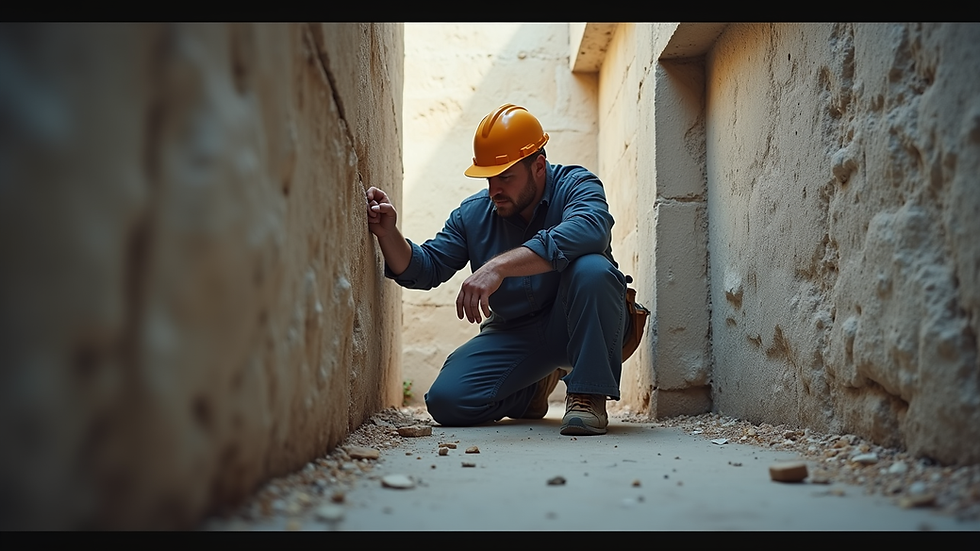
Cracks in walls or floors: Horizontal or stair-step cracks in basement walls or concrete floors often indicate foundation movement.
Doors and windows that stick: If doors or windows suddenly become hard to open or close, it may be due to shifting foundation.
Uneven or sloping floors: A noticeable tilt or sag in floors can signal foundation settling.
Gaps around window frames or exterior walls: These gaps suggest the foundation is pulling away from the structure.
Water seepage in basement or crawl space: Moisture intrusion often accompanies foundation problems.
If you notice any of these signs, it is important to act quickly. Ignoring them can lead to more serious structural damage.
Common Causes of Foundation Damage in Calgary
Understanding what causes foundation problems helps in preventing them. Calgary’s climate and soil conditions contribute to specific challenges:
Expansive clay soil: This soil type swells when wet and shrinks when dry, causing foundation movement.
Poor drainage: Water pooling near the foundation increases pressure and can lead to cracks.
Frost heave: Freezing and thawing cycles push the foundation upward unevenly.
Tree roots: Roots growing near the foundation can cause shifting or cracks.
Construction issues: Poor workmanship or inadequate foundation design can lead to early failure.
Proper site preparation and drainage management are key to avoiding these problems.

Effective Methods for Foundation Repair
There are several repair techniques depending on the type and severity of the damage. Here are the most common and reliable methods:
Piering or Underpinning
Steel or concrete piers are driven deep into stable soil beneath the foundation. This supports and lifts the foundation back to its original position. It is a permanent solution for settling foundations.
Slabjacking or Mudjacking
This involves pumping a grout mixture under a sunken concrete slab to raise it. It is less invasive but best for minor settling.
Wall Anchors
For bowing or leaning basement walls, wall anchors stabilize and straighten the walls by connecting them to the soil outside.
Carbon Fiber Straps
These straps reinforce cracked or bowing walls without excavation. They are strong and minimally invasive.
Waterproofing and Drainage Improvements
Fixing drainage issues and installing waterproof membranes prevent water damage that worsens foundation problems.
Each method requires a professional assessment to determine the best approach for your home.
How to Choose a Foundation Repair Contractor
Selecting the right contractor is crucial for a successful repair. Here are some tips to help you make an informed decision:
Check credentials and experience: Look for licensed contractors with proven experience in foundation repair.
Ask for references and reviews: Speak to past clients or read online reviews to gauge reliability.
Request a detailed inspection and written estimate: A thorough inspection should precede any repair work.
Understand the warranty: A reputable company offers warranties on both materials and workmanship.
Compare multiple quotes: Don’t settle for the first estimate; compare prices and services.
Choosing a local expert familiar with Calgary’s soil and climate conditions is a smart move.

Preventative Measures to Protect Your Foundation
After repair, taking steps to prevent future problems is essential. Here are practical recommendations:
Maintain proper drainage: Ensure gutters and downspouts direct water away from the foundation.
Grade the landscape: The ground should slope away from the house to prevent water pooling.
Control moisture levels: Use dehumidifiers in basements and fix leaks promptly.
Avoid planting large trees near the foundation: Roots can cause damage over time.
Inspect regularly: Check for new cracks or signs of movement every season.
Regular maintenance helps extend the life of your foundation and protects your investment.
Why Timely Foundation Repair Matters
Delaying foundation repair can lead to costly consequences. Structural damage can worsen, affecting walls, floors, and even the roof. Water infiltration can cause mold and health hazards. Early intervention saves money and preserves your home’s value.
If you suspect foundation issues, contact a trusted professional immediately. For reliable and permanent solutions, consider structural foundation repair services that specialize in Calgary’s unique conditions.
Taking action now ensures your home remains safe and stable for years to come.
Additional Considerations for Homeowners
Understanding the Importance of Foundation Maintenance
Foundation maintenance is often overlooked. However, it is crucial for the longevity of your home. Regular inspections can catch minor issues before they escalate. This proactive approach saves time and money in the long run.
The Role of Weather in Foundation Stability
Calgary's weather can be harsh. Extreme temperatures and precipitation can affect your foundation. Understanding how weather impacts your home helps you take preventive measures. For instance, ensuring proper drainage during heavy rains is vital.
The Cost of Ignoring Foundation Issues
Ignoring foundation problems can lead to significant repair costs. The longer you wait, the more extensive the damage can become. It’s essential to address issues as soon as they arise. This approach protects your investment and ensures your home remains safe.
Resources for Homeowners
There are many resources available for homeowners facing foundation issues. Local building codes provide guidelines for repairs. Online forums and community groups can offer support and advice. Utilizing these resources can help you make informed decisions.
Conclusion
In conclusion, foundation issues are serious and should not be ignored. Recognizing the signs early and understanding the causes can help you take action. Choosing the right repair methods and contractors is crucial for success. By following these guidelines, you can protect your home and ensure its stability for years to come.


Comments